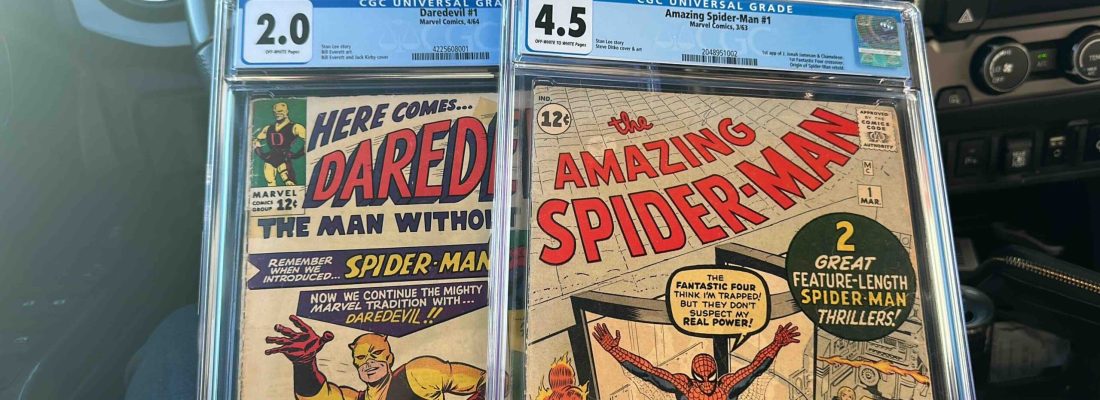
Amazing Spider-Man #2 is the issue where Peter Parker sells his first photos to J. Jonah Jameson and invents the anti-magnetic inverter to ground the Vulture mid-flight. He also pays off Aunt May’s rent for an entire year with the earnings. Most “we buy comics” pages will tell you it’s the first Vulture. But they won’t tell you it’s also the first time Spider-Man defeats a villain through invention rather than just punching — and that matters because it established the formula the entire series ran on for decades.
I’m Gabe, and when I sit down to evaluate a copy of ASM #2, I know exactly what I’m looking at. Call me at (951) 515-9604 — I come to you anywhere in Southern California and pay cash the same day. Want to know what your copy is actually worth first? Keep reading.
What Makes This Issue a Silver Age Key
The Amazing Spider-Man #2, cover dated May 1963, introduced two villains who became permanent parts of Spider-Man’s world. The Vulture — an elderly man in a green bird costume powered by a magnetic flight harness — went on to appear in decades of comics and multiple animated series. He also appeared in the MCU. Meanwhile, the Tinkerer showed up in the second story as a mysterious repairman secretly working with aliens. Both characters are still in active use at Marvel today, which keeps collector demand for this issue steady.
Beyond the first appearances, this issue established something more important — Peter Parker’s identity as a scientific problem-solver. He doesn’t just fight the Vulture with strength. Instead, he studies the problem, builds a device to neutralize the Vulture’s flight, and wins through his brain. That’s the Spider-Man formula that carried the series for 60+ years, and it started right here in issue #2.
Inside Amazing Spider-Man #2 — Both Stories
Like the first issue, ASM #2 is split into two independent stories, both written by Stan Lee with art by Steve Ditko.
The Vulture
The story opens with the Vulture terrorizing New York — brazenly stealing a businessman’s suitcase right off the street and flying away. J. Jonah Jameson is desperate for photos, but nobody can get close enough. So Peter overhears classmates speculating that a photo of the Vulture would be worth a fortune. He borrows a miniature camera that once belonged to Uncle Ben, suits up as Spider-Man, and goes hunting.
Meanwhile, the Vulture announces he’s going to steal a cache of diamonds being transported through the city. In a move of pure arrogance, he leaves taunting messages at the Daily Bugle, the police department, and the city radio network before even attempting the heist. Spider-Man follows him but gets caught when he accidentally knocks a loose brick. The Vulture then ambushes him from above with a kick to the back of the head and dumps his limp body into a rooftop water tower.
After escaping the water tower, Peter goes home and does something no other hero was doing in comics at the time — he studies the problem.
The Invention That Won the Fight
Instead of just going after the Vulture again, he builds an anti-magnetic inverter. It’s a miniature device designed to neutralize the magnetic harness powering the Vulture’s flight. In their rematch, Spider-Man plants it on the Vulture mid-air, and the villain drops out of the sky like a rock.
Afterward, Peter sells his photos to Jameson at the Daily Bugle — the beginning of a freelance photography career that becomes central to the character for decades. The money is good enough to pay off Aunt May’s rent for a full year. The story ends with the Vulture sitting in a prison cell swearing revenge — still wearing his flight suit in prison, which makes absolutely no sense but is the kind of thing that makes early Silver Age comics so entertaining.
The Tinkerer and the Aliens
The second story is a completely different tone — goofy, inventive, and pure Silver Age fun. Peter gets offered a weekend job as lab assistant to Professor Cogswell, a renowned electronics expert. On his way, he picks up a radio from a repair shop run by a mysterious old man called the Tinkerer. Peter’s spider sense detects strange electric impulses from the equipment, but he dismisses it.
What Peter doesn’t see is that the Tinkerer is working with actual aliens. They’ve been planting listening devices in the radios of important scientists and government officials — preparing for an invasion. Back at the lab, Peter opens the radio, finds the hidden device, and returns to the shop as Spider-Man. He then discovers a hidden workroom underneath, gets trapped in an unbreakable glass cage, and escapes by shooting a web through the tiny air holes to hit a control panel switch on the other side.
A fight breaks out, the aliens’ master control panel catches fire, and they abandon their invasion plan. The issue ends with a strange reveal — Peter pulls off the Tinkerer’s face to find a mask underneath, suggesting the old repairman was actually an alien himself. It’s the kind of wild Silver Age storytelling that collectors either love or scratch their heads at.
What I Look at When Evaluating Your Copy
When I come to evaluate a book like ASM #2, I sit down with you and go through it together. I pull up real sales data on my phone — recent auction results, last sold prices for that specific grade. That way you can see the numbers alongside the book in front of us. Nothing is hidden. Here’s what determines where your copy falls.
Cover and Presentation
The cover features Spider-Man swinging across the city with the Vulture in pursuit — classic Ditko artwork. I’m checking whether the colors are still vibrant and whether there’s gloss left on the surface. I also look at how the book presents at different angles in the light. Some defects are completely invisible straight on but show up immediately when you tilt the book. Even a bend, a crease, or a spine stress mark — these things hide until you know how to look for them.
Spine and Staples
On a 1963 book, the spine gets heavy scrutiny. Color-breaking spine ticks can cap the grade no matter how nice the rest of the book looks. I also check staples for rust, alignment, and tears. Rusted staples are especially concerning on Silver Age books. They cause brown migration stains that spread into the surrounding paper over time. Additionally, whether the cover is fully attached at both staples makes a significant difference — partial detachment drops the grade fast.
What’s Inside Matters Just as Much
I’ve had books come in that present beautifully on the outside — sharp corners, bright cover, clean spine — and then you open them up and the pages are brittle, or there’s a loose centerfold, or a stain on the interior that you’d never see through the bag and board. That kills the grade. That’s exactly why I evaluate in person instead of making offers from photos.
For ASM #2 specifically, cream-to-off-white pages are normal for 1963. I use an OWL card to measure page quality accurately across different sections of the book, because tanning is often worse near the covers than at the center. The book also needs to be complete — all pages present, no cut-out coupons, no tears. Even a single missing page changes the value by hundreds of dollars on a key like this.
Realistic Value Ranges for Amazing Spider-Man #2
Here’s where copies are actually selling based on recent data from Heritage Auctions and GoCollect:
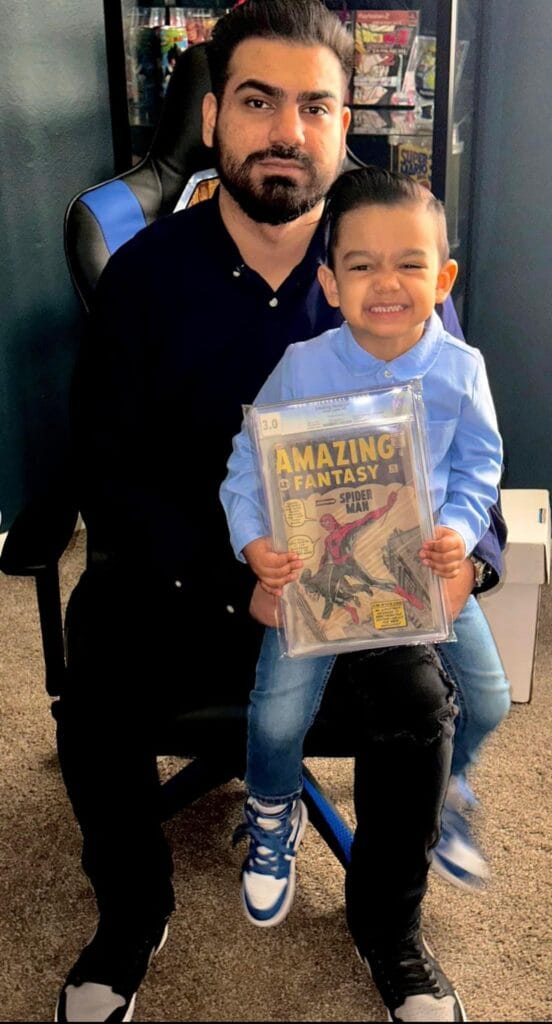
Copies in Poor to Good condition (0.5–2.5) with heavy wear, missing pieces, or structural issues typically sell for $500–$2,000. Very Good to Fine copies (3.0–6.0) with moderate wear but decent presentation and complete pages fall in the $2,000–$6,000 range. Meanwhile, Very Fine copies (7.0–8.0) with strong eye appeal and minimal defects bring $6,000–$12,000. Near Mint copies (9.0+) are rare for a book from 1963 and can exceed $20,000.
These numbers shift with the market, which is why I check current data in real time when I’m sitting with you. The price I see on my phone while we’re looking at your book together — that’s what my offer is based on. Call me at (951) 515-9604 and I’ll come evaluate your copy.
What Selling to EZ Comic Buyer Actually Looks Like
You call me or fill out the form on our contact page. You don’t need to know the issue number, the grade, or the value — just tell me what you’ve got. “I think I have some old Spider-Man comics” is enough. I come to you anywhere in Southern California — your house, your storage unit, wherever the books are.
When I get there, we sit down and go through everything together. If you’ve got one book, we look at one book. If you’ve got ten boxes, we go through them all. I show you the sales data on my phone so you can see where the numbers come from. If a book looks great on the outside but has issues on the inside, I show you exactly what I’m seeing and then explain how it affects value.
If the deal makes sense for both of us, I pay cash or check on the spot. However, if it doesn’t work out, I’ll tell you straight and give you honest guidance on where else to go. No pressure, no games. That’s how every deal works — whether it’s a single ASM #2 or an entire collection.
Common Questions About Selling Amazing Spider-Man #2
How much is my copy worth?
It depends entirely on condition, but even a rough copy is worth $500 or more because of the first Vulture and first Tinkerer appearances. I evaluate it in person using current sales data and professional grading standards to give you a real number — not a guess.
My copy looks pretty beat up — should I even bother?
Absolutely. Silver Age Spider-Man keys hold value in every condition. Heavy creasing, spine wear, and tanning are all expected on a 1963 book. I’ve bought books that sellers almost threw away because they looked rough, and they turned out to be worth real money. Don’t decide for me — let me see it.
Why is the Vulture’s first appearance valuable?
The Vulture has appeared in Spider-Man films, TV series, and video games for decades. Characters with ongoing multimedia exposure maintain strong collector demand. As long as Marvel keeps using the Vulture, this book stays relevant in the market.
Should I get it professionally graded first?
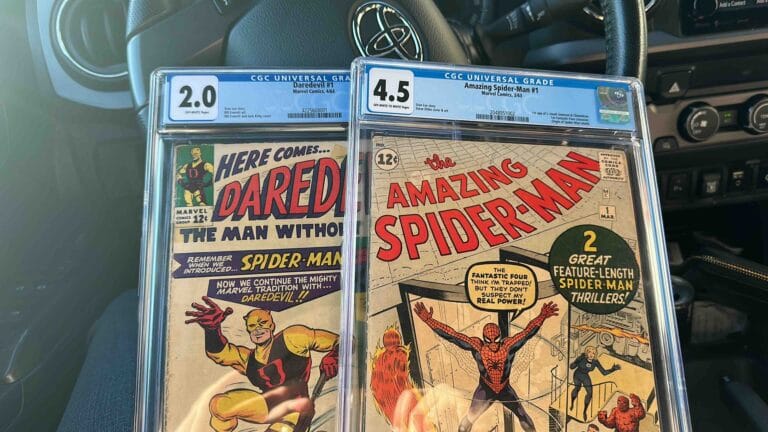
Not necessarily. Professional grading from CGC or CBCS costs money, takes weeks, and means shipping a valuable book. Instead, I grade in person using the same tools and standards. However, if your book is already slabbed, I factor the grade into my offer.
What other Spider-Man comics do you buy?
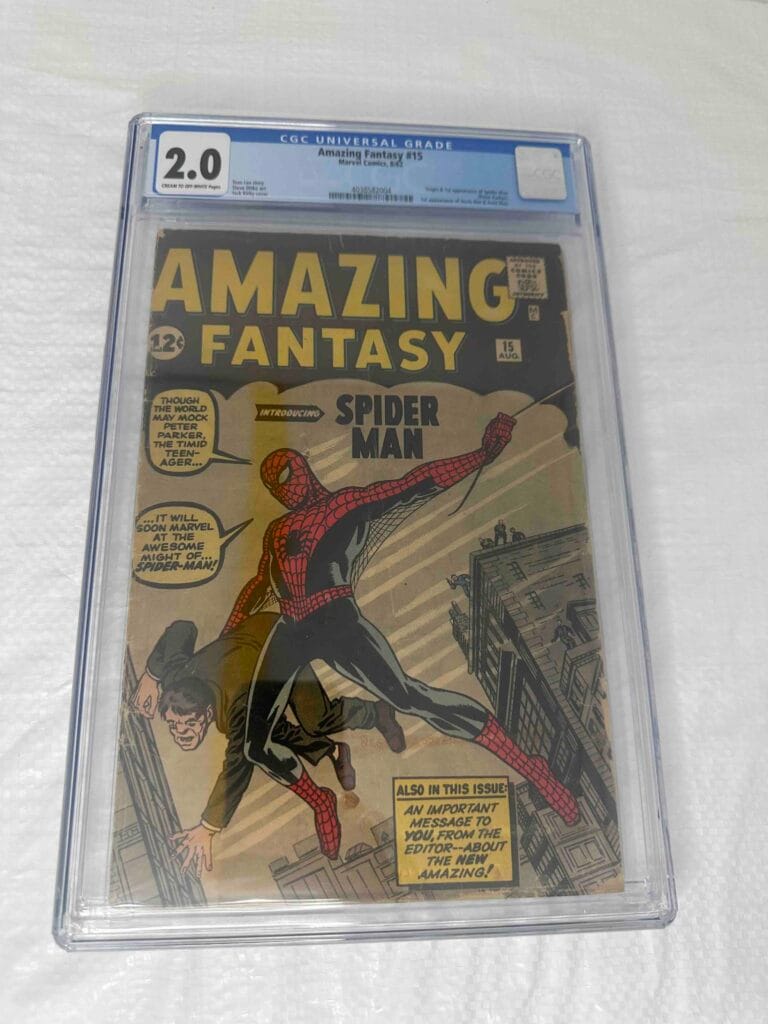
Every single one. Amazing Spider-Man #1, Amazing Fantasy #15, and every issue through the full run — plus spin-offs, variants, and collections of any size. Visit our sell my comic books page for more on what we buy.
Where do you pick up?
Anywhere in Southern California — Orange County, Los Angeles County, Riverside County, San Bernardino County, San Diego County, and Ventura County. I come to your home, office, or storage unit. Call (951) 515-9604 and we’ll set up a time.
How fast can I get paid?
Usually same day. Call me, I come out — often within hours — evaluate the book, and pay cash or check on the spot.
Ready to Sell Your Amazing Spider-Man #2?
Whether it’s a CGC slab or a raw book that’s been sitting in a closet since 1963, EZ Comic Buyer wants to see your copy of The Amazing Spider-Man #2. I come to you, sit down, go through the book together, show you the real numbers, and pay cash on the spot. No shipping, no fees, no waiting around.
Gabe — EZ Comic Buyer
(951) 515-9604
[email protected]
Serving all of Southern California: Orange County, Los Angeles, Riverside, San Bernardino, San Diego, and Ventura County.
Contact us here ·