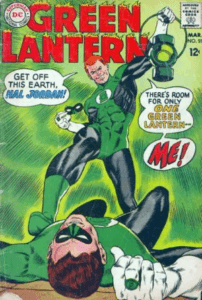
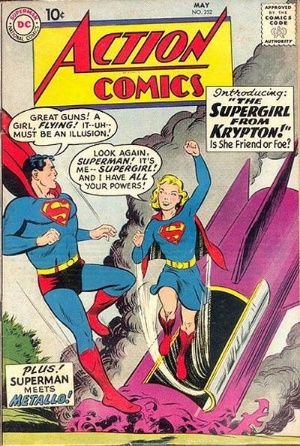
I’ll go through your collection with you, tell you what the books actually are, give you a realistic idea of what they’d sell for, and tell you which ones are worth sending off to be professionally graded. It’s free, there’s no obligation to sell me anything, and I come to you.
Call or text (951) 515-9604 to get started — texting a few photos of the boxes is the fastest way in. If you’d like to know who you’re dealing with first, there’s about us, our guarantee, and what other people have said on our reviews page.
Why most people need one

Most of the people I meet genuinely don’t know what they have — and that’s completely normal. Comic values don’t work the way people expect. Two things surprise almost everybody:
First, value is wildly concentrated. A typical collection is a few thousand filler issues and, if you’re lucky, two or three genuinely significant books. It’s normal for a handful of comics to be worth more than the other three thousand combined. I wrote out how that works in how much are my comic books worth?
Second, condition changes everything. Not by a little — by multiples. A high-end Silver Age book might be a $200 book in a 1.0 and a $10,000+ book in a 9.6. That’s the same comic. The difference is condition, and the average person has no way to tell a 4.0 from a 7.0 by looking at it — our grading guide walks through what I’m actually looking for.
That gap is exactly what an appraisal closes.
Worth saying plainly, because it’s the obvious objection: I’m the one grading the book and I’m also the one making an offer on it. That’s a conflict, and the honest answer to it isn’t to promise I’m trustworthy — it’s to make sure you can check me. That’s why the grading guide exists and why I’ll explain every book in front of you rather than in another room. It’s also why I’d genuinely rather you called two other buyers before you decide. A seller who can see what I’m seeing is a seller I can’t shortchange, and if someone discourages you from getting a second opinion, that tells you something worth knowing about them.
What I actually do

- Identify the key issues. First appearances, classic covers, a famous artist’s first cover — the books that carry the value. I pull them out and show you. Our top 10 most wanted comics gives you an idea of what I’m hoping to find.
- Assess condition on the books that matter. Spine, corners, color, tears, staples, completeness. I’ll explain what I’m seeing and why it moves the number.
- Check for the things owners miss. Cut-out Marvel Value Stamps, missing inserts, subscription creases, detached covers. These can quietly remove most of a book’s value and they’re easy to overlook.
- Give you a realistic value range. Wide on purpose — more on that below.
- Tell you what’s worth grading. Some books are worth sending to CGC. Most aren’t, and grading them costs more than they’re worth. I’ll tell you which is which.
- Tell you honestly when it’s filler. If your collection is mostly common issues, I’ll say so plainly rather than dressing it up.
How it works
- Send photos first. Text a few pictures of what you’ve got to (951) 515-9604, or use the contact form to describe it. This saves everybody time — I can usually tell from photos whether an in-person visit makes sense.
- I schedule a visit. Usually same day or the next day. I come to your home, your workplace, or a public place — whatever you’re most comfortable with.
- I go through the collection with you. Not in a back room. You’re there, and I explain what I’m looking at as I go.
- You get a value range and my honest read on what’s worth grading, what’s worth selling individually, and what’s bulk.
- That’s it, unless you want to sell. If you do, I’ll make an offer and pay cash on the spot. If you don’t, you keep your comics and you’ve lost nothing.
Book a free appraisal
Anywhere in Southern California. Text a few photos first and I’ll tell you whether it’s worth a visit.
What to send me, and what makes a photo useful
I ask for photos before a visit because they answer most of the question, and a bad photo wastes both our time. This takes about five minutes:
- Fan them left-edge out, ten to twenty at a time. Spread the stack so roughly the left half of each cover shows. That strip carries the logo, the issue number and the cover price, which is everything I need to identify a book.
- Daylight, no flash. Flash blows out the gloss and hides exactly the spine detail I’m looking for. Near a window is ideal.
- Shoot anything old or slabbed on its own. Pre-1970 books and anything already in a hard case deserve individual photos, front and back.
- One wide shot of the boxes. So I can see how much there is. Box count changes whether a visit makes sense at all.
- Don’t unbag anything, and don’t tidy up. How they’re stored tells me things, and handling old books to photograph them is a good way to damage them.
If you’d rather write a list than take photos, the columns that help are title, issue number, rough year, and cover price — the cover price matters more than people expect, because plenty of titles have been relaunched from #1 more than once and the price is what tells two identically numbered books apart.
What actually happens when I open the first box
I don’t take the collection into another room. Everything happens in front of you, at your kitchen table or on the garage floor, and you can ask me what I’m doing at any point.
The first thing I do isn’t valuing anything. I read how the books were stored, because that tells me about the person who owned them before it tells me about the comics. Bagged, boarded and standing upright means someone who knew what they had. Lying flat in a moving box means someone who read them. And anything kept apart from the rest — in its own bag, in a drawer, in a safe — goes straight to the top of my pile, because a collector separating one book out is a collector telling you which one mattered. They’re usually right.
Then I go looking for the handful. Almost every collection is a few thousand books worth about what a used paperback is worth, and two or three carrying nearly all of the money. Finding those is most of the job. Cover price dates a book faster than the indicia does, so I’m reading prices and pulling anything old, anything with a first-appearance banner, and anything that doesn’t fit the rest of the box.
Only then does condition matter, and only on the books where it moves the number. I check the spine first — that’s where storage puts the pressure, so that’s where the creases are — and the question I’m answering is whether a crease has broken the color. That one thing decides whether a defect presses out or is permanent, and it’s the most common reason a book grades below what its owner expected.
Most of the people I meet genuinely don’t know what they have, and that’s normal — it isn’t something you’d know unless you did it constantly. So I’ll tell you what each significant book is, why it matters and what’s driving the number, whether or not you sell me anything. If the answer is that it’s all filler, I’ll tell you that too. That happens more often than anyone likes.
Why my value ranges are wide
When I give you a figure before a close inspection, it’ll sound vague — something like “$500 to $2,000.” That’s deliberate, and it’s worth explaining rather than hiding.
Condition drives comic values more than almost anything else, and the swings are enormous:
| Book | Lower grade | Higher grade |
|---|---|---|
| Avengers #1 | ~$3,000 in a 4.0 | ~$9,000 in a 7.0 |
| High-end Silver Age key | ~$200 in a 1.0 | $10,000+ in a 9.6 |
Same comic. Same issue number. The difference is condition — and you can’t assess condition from a photograph, or from a description over the phone. Anyone who gives you a precise number before handling the book is guessing, and a guess that turns out to be high is worse for you than an honest range.
What I look at when I grade
So you know what’s happening rather than watching someone flip pages silently:
- The spine, first. That’s where most damage is, because storage puts pressure there. The key question is whether a crease breaks color. If it doesn’t, it can often be pressed out. If it does, it’s permanent.
- Corners — how sharp they are, and whether there are dog ears.
- Color brightness. This doesn’t change the technical grade, but it changes what a book sells for. A faded copy has to be discounted against a bright one at the same grade.
- Tears, front and back. The back cover counts as much as the front.
- Staples. Rust is penalized heavily by CGC. Loose staples lead to loose pages and eventually a detached cover.
- Completeness. Missing pages are severe — a $10,000 book missing a page might bring $3,000 to $4,000.
- Missing inserts. Cut Marvel Value Stamps, missing tattoos or pinups. These are the ones that catch people out.
If you want the full detail on any of this, I wrote it up in our guide to comic book condition and grading.
If you want to sell
The appraisal doesn’t obligate you to anything. But if you do want to move the collection, here’s what I can offer.
Straight purchase
The offer is a percentage of what I assess the collection at, and that percentage moves with what’s actually in it — a box of keys and a pallet of filler are different businesses. You get the assessment and the offer at the same time, so you can see the reasoning rather than just the number. Then it’s cash on the spot — no check, no bank wire, no waiting, no coming back tomorrow. As-is, where-is. If you already know you want to sell, you can skip straight to getting an offer.
Contingent grading deals, for high-end books
This one’s worth understanding, because it can make you significantly more money on a genuinely valuable book.
If you’ve got a high-end book whose value swings hugely on grade, I can send it to CGC through my dealer account — at my cost, not yours — with a payout agreed in advance for each possible grade. Something like: $2,000 if it comes back a 7, $10,000 if it comes back a 9, and so on down the scale.
You agree the scale before anything ships. When the grade comes back, you get paid cash at the agreed number. I carry the grading cost and the risk that it grades lower than I hoped.
CGC submission
I hold a CGC dealer account and can submit books on your behalf.
Consignment
Available on individual books valued at $500 or more, at around 20%. I’ve done it twice in the last few years, as of 2026 — almost nobody wants it, because it takes time and most people want the space back or want it done today. It’s there if a particular book suits it.
One thing I don’t do: written appraisals
Worth being upfront about, because it saves people a wasted call.
My appraisal is done in person and delivered verbally. I go through the books with you, tell you what they are, what condition they’re in, and what they’re realistically worth. I don’t issue written appraisal documents.
If a court, an executor, an attorney or an insurance company has asked you for a formal valuation in writing — for probate, an estate filing, or an insurance schedule — that’s a different service and you’ll need a certified appraiser who provides signed documentation. Worth asking whoever requested it exactly what form they need it in before you go looking, because a purchase offer and a formal appraisal are different numbers and they aren’t interchangeable. If you’re dealing with an estate, there’s more on this in you inherited a comic book collection — what now?
If what you actually need is to know what you’ve got and, if you want, to sell it — that’s exactly what I do, and it’s free.
What happens to your books afterwards
Most buyers won’t tell you this part. I’d rather you know exactly where your collection ends up.
Every collection I buy gets re-bagged and boarded first — a lot of what I pick up has been sitting in old, brittle bags or no bags at all. From there books go one of three ways. Anything worth grading is submitted to CGC through my dealer account. Mid-tier books are sold individually. Common issues are sold wholesale in bulk.
They go to collectors across the United States — the majority to the East Coast, which is where the strongest demand for vintage books is — and occasionally overseas to Canada, Australia, and the Philippines. Some books go to private clients who ask me to look for specific issues and prefer not to buy through public listings. Anything they pass on goes to the open market.
I move quickly and I don’t sit on inventory. That’s the whole business model: buy fairly, turn it over, move to the next collection. It costs me occasionally — I’ve sold books that jumped in value weeks later — but it’s what lets me pay cash on the spot instead of offering you a slow consignment split.
Where I go
All of Southern California — Los Angeles, Orange County, Riverside, San Bernardino and San Diego counties. I come to your home, your workplace, or a public place, whichever you prefer.
Outside Southern California, it depends on the collection. If it’s substantial enough, I’ll fly out. Text photos to (951) 515-9604 and I’ll tell you honestly whether it makes sense.
Frequently asked questions
How much does a comic book appraisal cost?
Nothing. I don’t charge for appraisals and there’s no obligation to sell me anything afterwards. Plenty of people book one purely to find out what’s in the boxes.
Do I have to sell you my comics?
No. The appraisal stands on its own. If you’d rather keep the collection after finding out what it is, that’s a perfectly good outcome.
Do you come to me?
Yes. I’m a mobile service — I don’t have a storefront and you don’t need to transport anything. I meet you at your home, your workplace, or a public place, whichever you prefer, anywhere in Southern California.
Not having a shop is a deliberate choice rather than a limitation. A retail space means a lease, utilities and staff every month whether anyone walks in or not, and that overhead has to come out of what I can pay for a collection. I’d rather not carry it, so it isn’t sitting between you and the offer.
How big does a collection need to be?
It’s less about size than contents. A single box with two key issues can be worth more than twenty boxes of common 1990s material. That said, if you have a box or two of ordinary modern comics, it’s probably not worth a visit for either of us — send photos and I’ll tell you straight.
What do you pay for bulk comics?
Common modern issues — roughly 1980s to now — are typically 10 to 30 cents each depending on quantity and what’s in the mix. Silver Age bulk is higher, and Golden Age is substantially higher. The reason bulk pays what it does is simple: it’s slow to sell and it sells cheap.
Should I get my comics graded before you look at them?
No — let me look first. Grading costs money per book plus shipping and insurance, and on most comics it costs more than the book is worth. Part of what the appraisal tells you is which books actually justify it. If any do, I can submit them through my CGC dealer account.
Should I clean or repair anything first?
Please don’t. Amateur cleaning and pressing usually does more damage than the flaw it was meant to fix, and on a fragile book it can be irreversible. Leave everything exactly as it is — including the dust.
How soon can you come out?
Usually the same day or the next day. I’ve also gone out at ten at night and past midnight, because that was the only time that worked for the seller — if the collection’s right, the hour isn’t the problem. Text a few photos to (951) 515-9604 first and I’ll get an appointment set.
Do you provide a written appraisal?
No. My appraisals are done in person and delivered verbally — I tell you what the books are, what condition they’re in, and what they’re worth. I don’t issue written appraisal documents. If a court, executor, attorney or insurer needs a formal valuation in writing, you’ll need a certified appraiser who provides signed documentation.
Where do the comics go after you buy them?
Everything gets re-bagged and boarded first. Books worth grading go to CGC through my dealer account, mid-tier books are sold individually, and common issues are sold wholesale. They go to collectors across the United States — mostly the East Coast — and occasionally to Canada, Australia and the Philippines.
Before I come out, these are worth reading
- How much are my comic books worth? — the four things that decide value, and how to check real sold prices yourself.
- Comic book condition and grading — exactly what I check on a book, in the order I check it.
- You inherited a comic book collection — what now? — including what to do before anything gets divided between heirs.
- Are 90s comic books worth anything? — read this first if the boxes are mostly from that decade.
- Where to sell comic books in Southern California — an honest comparison of your options, including the ones that aren’t us.