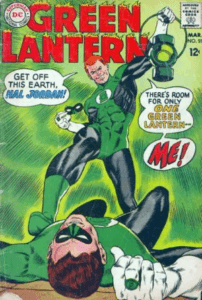
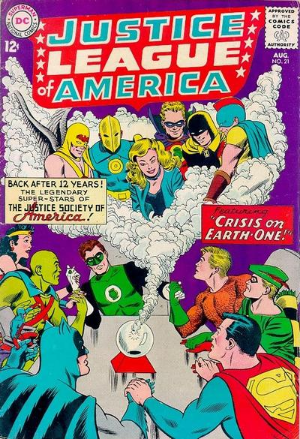
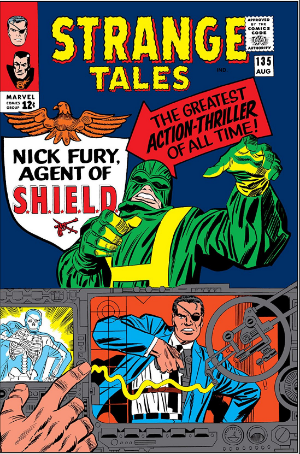
Somebody left you their comics. Maybe it was a parent, maybe a grandparent or an uncle, and maybe you’re standing in a garage in Riverside looking at fourteen long boxes with no idea whether you’re looking at ten thousand dollars or ten dollars.
This is a more common situation than you’d think, and it usually arrives at a bad time — in the middle of clearing a house, on a deadline, while grieving. This guide is written to make the next few decisions easier. No urgency, no pressure. Comics are patient, and so is this.
First: do nothing for a moment

The most expensive mistakes happen in the first week, when people are trying to be efficient. Before you touch anything:
- Don’t sell the collection to the first person who offers. Estate cleanout services, garage-sale regulars and some house buyers will offer a flat few hundred dollars for “all the old comics.” Sometimes that’s fair. Sometimes it’s a four-figure collection leaving in a truck.
- Don’t reorganize or re-sort them. The way a collector stored their own comics is information. Books pulled out and kept separately, or bagged more carefully than the rest, are usually the ones they knew were valuable.
- Don’t clean anything. Not with a cloth, not with an eraser. Cleaning old comics damages the paper surface and is visible to anyone who grades them. Dusty is fine.
- Don’t throw out the “damaged” ones. A beaten-up 1963 comic can be worth many times a pristine 1993 one. Condition matters, but only after the issue itself matters — our grading guide explains which defects actually move the number.
- Don’t put them anywhere hot. More on this below — it’s the one genuinely time-sensitive item on this list.
And if you’d rather just ask someone who does this for a living, that costs nothing — here’s how a visit works. There’s no obligation attached to it, and people often book one only to find out what’s there.
The one thing that is urgent: where the boxes are sitting
If the collection is in a garage, an attic, or a non-climate-controlled storage unit anywhere in Southern California, move it. Heat and humidity are actively degrading the paper every day it sits there — that’s what causes the brown, brittle edges you see on old comics, and it’s irreversible. An Inland Empire garage in August will do more damage in one summer than twenty years in a spare bedroom.
Get the boxes inside the house. Interior room, off the concrete floor, out of direct sun, stored upright rather than stacked flat. That’s it. That single step protects whatever value is there while you take your time with everything else.
Step 1: Work out roughly what you have
You don’t need to catalog anything. You need three facts.
- How many boxes? A standard long box holds roughly 250–300 comics, a short box about 150. Ten long boxes is around 2,500–3,000 comics.
- What era? Flip to the front cover of a few from each box and look at the cover price. 10¢ means 1961 or earlier and 12¢ runs to about 1969. 15¢–20¢ is roughly 1969–1975. 25¢–40¢ is the rest of the 1970s. 50¢–65¢ is the early-to-mid 1980s and 75¢–$1.00 the late 1980s. $1.25–$2.00 is the 1990s, and $2.99 and up is 2000s onward — and if most of the boxes land there, read are 90s comic books worth anything? before you get your hopes up or throw anything away. This single number tells you more than anything else.
- How were they stored? Bagged and boarded and upright suggests a serious collector who probably owned some keys. Loose in a cardboard box in a closet suggests a reader.
With those three facts, anyone in the business can give you a meaningful ballpark over the phone before anybody drives anywhere.
Step 2: Pull the ones that might matter

Go through the boxes once and set aside anything that hits one of these. It takes an hour or two and it finds most of the value in a typical collection.
- Cover price of 10¢, 12¢, 15¢ or 20¢. 10¢ and 12¢ mean 1969 or earlier; 15¢ and 20¢ put a book in roughly 1969–1975. Every single one is worth a look.
- Anything already in a hard plastic case with a grading label from CGC, CBCS or PGX. Someone already spent money proving these were worth something.
- Anything stored differently from the rest — in a separate box, in a thicker bag, in a safe, in a closet away from the others. Collectors separate their good books.
- Issue #1s, and covers with “first appearance” or “introducing” banners. If any of them match our ten most-wanted comics, stop sorting and call someone.
- Characters you recognize from films, in a comic that looks genuinely old. Early Spider-Man is the one that turns up most often — see Amazing Fantasy #15 and Amazing Spider-Man #1.
- Anything that isn’t a superhero comic. Early horror, crime, romance, and underground comix get thrown out by families more often than anything else, and they are sometimes the most valuable books in the house.
Photograph the covers of everything you set aside. Those photos are what lets someone give you real numbers remotely. Our full guide to what your comics are worth goes deeper on how value actually works if you want to look things up yourself.
Step 3: Choose how to sell
There’s no universally right answer here. It depends on how much time you have, how much the collection is worth, and how much of your life you want to spend on it. I compared the local options in more detail in where to sell comic books in Southern California.
| Option | You’ll get | Time & effort | Best for |
|---|---|---|---|
| Sell each comic yourself online | Highest gross, minus 15–20% in fees and shipping | Months. Photographing, listing, packing, returns, claims. | Small collections of good books, if you enjoy the process |
| Auction house | Strong prices on high-end books; seller’s commission applies | Weeks to months to settle | Genuinely rare, high-grade keys |
| Comic shop walk-in | A wholesale offer; varies a lot by shop | You transport everything to them | Small quantities you can carry |
| Mobile collection buyer | One cash offer for the lot | A single visit. No hauling, no listing. | Whole collections, estates, deadlines |
| Estate sale company | Typically low on comics specifically | Minimal | When comics are incidental to a whole-house sale |
| Donate | Possible tax deduction; verify rules | Low | Low-value bulk you’d otherwise recycle |
One thing worth being clear-eyed about: any buyer who purchases a whole collection outright pays a wholesale price, not a retail one. That’s true of us and of everyone else. The buyer is taking on the sorting, the storage, the grading costs, the unsellable filler, and the months or years it takes to move it. What you’re trading is some of the top-line value in exchange for it being finished today.
Anyone who tells you they’ll pay full guide value for a whole collection is either misunderstanding the question or not being straight with you.
If the collection is part of a formal estate
Two things that trip people up when probate is involved.
An appraisal and an offer are not the same document. A purchase offer is what a buyer will pay you today. A written appraisal is a valuation document prepared for a court, an executor, or an insurer, and it typically states fair market value rather than a wholesale purchase price. If an executor or attorney has asked you for a value, check which one they need before you go looking — they’re different numbers and they’re not interchangeable.
To be clear about my own limits here: I don’t issue written appraisals. My appraisals are done in person and delivered verbally — I tell you what the books are and what they’re worth, free and with no obligation. There’s a full description of how that visit runs on our comic book appraisal page. If the estate needs signed documentation for a filing, you’ll want a certified appraiser for that specific piece of paper. Worth knowing before you spend time calling buyers.
If there are multiple heirs, get the valuation before anything is divided. Splitting a collection “evenly” by box count almost always divides it unevenly by value, because value is concentrated in a handful of issues. One sibling can walk away with 90% of the money and everyone thinks it was fair. Find out what’s where first.
This section is general information about how comic sales usually work, not legal or tax advice. For probate, estate tax, or charitable deduction questions, talk to the estate’s attorney or a CPA.
How to tell a fair buyer from a bad one
You’re in a position where you don’t know what you have and the other person does. That asymmetry is uncomfortable, and it’s worth knowing what good behavior looks like.
- A fair buyer shows you the keys. They should physically pull the valuable issues out, name them, and tell you what they’re worth and why — before making an offer on the whole lot.
- A fair buyer explains the gap. If a book books at $400 and they’re offering $200, they should be able to explain condition, market, and margin without getting defensive.
- A fair buyer doesn’t rush you. Real pressure to decide right now is the clearest warning sign there is.
- A fair buyer is fine with you getting a second opinion. If a buyer discourages that, get one immediately.
- A fair buyer puts it in writing somewhere. Ours is on our guarantee page — read it, then hold whoever you call to the same standard.
- Be careful about “I’ll just take the whole lot off your hands.” Sometimes that’s genuine convenience. Sometimes it’s a way of avoiding the conversation about what’s in the boxes.
What this looks like from the other side
I’d rather you heard this part from someone who wasn’t selling you anything. This is from a review left by a family I bought from, and it describes the visit better than I would:
“We had Gabe from EZ Comic Buyer come out to our home to look at several boxes of comics that belonged to my late brother’s estate, and I couldn’t have asked for a better experience. From the first text/phone call he was friendly, clear, and professional. He showed up on time, went through the boxes carefully, and explained everything… what had value, what didn’t, and why. Most of the books were common 90s issues, but he still treated the collection with a lot of respect, which meant a lot to me given the emotional attachment.”
From a Google review of EZ Comic Buyer
I’ve bolded the part most people skip. That collection was mostly filler — and it still deserved someone going through it properly, because the person holding it had just lost their brother. Those two things aren’t in conflict, and the second one doesn’t stop being true when the answer is small. You can read the rest of them on my reviews page.
And it’s okay to keep some
Worth saying, because a lot of people don’t realize it’s an option: you can sell most of a collection and keep a few. If there’s a comic your dad clearly loved — the one that was bagged separately, or the one with his name written inside the cover in a kid’s handwriting — keep it. It usually costs very little of the total, and nobody has ever regretted keeping one.
If you’d like a hand with it
At EZ Comic Buyer, inherited collections are a regular part of what I buy, and the visit usually looks the same: I come to wherever the boxes actually are — house, garage, storage unit — anywhere in Los Angeles, Orange County, Riverside, San Bernardino or San Diego county. I go through the collection in front of you, pull out and explain anything significant, and give you a same-day cash offer for whatever you want to sell.
It’s free, there’s no obligation, and if you decide to keep everything after finding out what it is, that’s a perfectly good outcome. Plenty of people book the visit purely to know. You can read how that’s gone for other families on our reviews page, see who you’d actually be dealing with on about us, or check the FAQ.
Find out what the collection is worth
Free and with no obligation, anywhere in Southern California. If you’re not ready for a visit, text a few photos and roughly how many boxes there are — I can usually give you a ballpark from that alone.
If you want to look things up yourself: the Grand Comics Database will tell you what a given issue actually is, Heritage Auctions publishes a free archive of past sales, and CGC explains how professional grading works.
Frequently asked questions
How do I know if an inherited comic collection is valuable?
The fastest signal is the cover price. Comics priced at 10¢ are 1961 or earlier, 12¢ runs to about 1969, and 15¢ to 20¢ puts a book in roughly 1969 to 1975 — all of them worth checking individually. Also look for anything in a hard plastic grading case, anything stored separately from the rest of the collection, and any non-superhero titles like early horror or crime comics, which families often discard without realizing what they are.
Should I sort or organize the comics before someone looks at them?
No. Leave them as they are. How a collector stored their own comics carries information — the books they kept separately or bagged more carefully are usually the ones they knew mattered. Re-sorting destroys that signal and doesn’t speed anything up.
What’s the difference between an appraisal and a purchase offer?
A purchase offer is what a buyer will pay you today for the collection. A written appraisal is a valuation document prepared for a court, executor or insurer and generally states fair market value rather than a wholesale purchase price. If an attorney or executor has asked you for a value, confirm which one they need — they are different numbers.
How long does it take to sell an inherited collection?
Selling to a collection buyer is usually a single visit — valuation and payment the same day. Selling issue by issue online typically takes months and involves listing, packing, shipping and handling returns. If you’re working to a house-clearing deadline, that difference usually decides it.
Can I sell part of the collection and keep the rest?
Yes, and it’s common. Keeping a few issues with personal meaning usually costs very little against the total value of the sale.
The comics are in a hot garage. Does that matter?
Yes, and it’s the one genuinely time-sensitive thing. Heat and humidity cause the browning and brittleness you see on old comics, and the damage is permanent. Move the boxes into an interior room of the house, off the floor, out of sunlight, and stored upright rather than stacked flat.
Others in the same position found these useful
- How much are my comic books worth? — the four factors that drive value, and how to check real sold prices.
- Are 90s comic books worth anything? — useful if the collection is mostly from that era.
- How comics are graded — what a grader looks for, and which damage is permanent.
- Where to sell comic books in Southern California — your local options.
- Booking a free appraisal — how the visit works, start to finish.
- The ten books I hope to find — check the boxes against this first.