Honest answer first: most damaged comics are worth nothing at all. A water-stained common from 1992 was worth a dollar dry, and wet it’s recycling. If that’s what’s in your boxes, this page will save you a hauling trip, and I’d rather tell you that for free than have you drive it anywhere.
But there’s a second half to the answer, and it’s the reason to check before anything goes in a dumpster: a damaged key issue is still worth real money. Grading exists precisely to price imperfect books. The scale runs all the way down to 0.5, and the right comic at 0.5 still sells. The whole question is which kind of book you’re holding, and that takes minutes to find out. Text me photos at (951) 515-9604 if you’d rather skip to that part.
The five kinds of damage I see, and what each one really does
1. Heat, the Southern California special
Garage heat is the collection killer I see most in Southern California, more than water, more than anything. Decades of summer attic and garage temperatures turn newsprint brown and brittle from the edges inward. Browned pages get called out separately on the grading label as page quality, and they cut hard into what a book brings even at the same grade. Brittleness is worse: a page that cracks when turned is damage that can’t be undone by anyone. If your boxes have been in a garage since the nineties, this is the damage they have, whether or not anything looks wrong from the outside.
2. Water: rippling, staining, and the tide line
Wet paper swells and never fully flattens. The signs are wavy page edges, a visible tide line, and covers that won’t sit flush. Light rippling on an otherwise sound book lowers the grade and the price but leaves both real. Staining and warping through the book pushes a common to zero and a key issue far down the scale. But again, down the scale is not off it.
3. Mold, the one that needs a decision today
Spotty black or white growth, usually after water. Mold is the one damage that gets worse while you decide: it spreads through a stacked box, so the first move is to separate anything moldy from everything that isn’t. Graders like CGC treat active mold severely, and heavy mold ends a common book’s story entirely. Don’t spend money remediating ordinary books. A moldy key, though, is still worth a conversation before you toss it, and I’d rather see a photo first.
4. Sun fade
A comic displayed on a wall or stored facing a window loses color, often on one edge or one half. Compare the front cover to the back and the fade announces itself. Here’s the twist I’ve written about before: fading doesn’t change the technical grade, but it moves the money anyway, because nobody pays bright-copy prices for a washed-out book. A faded key sells; it just sells discounted.
5. Rust: staples first, then the paper around them

Coastal air and garage humidity rust staples, and rusted staples stain the paper around them. That’s the brown halo in the photo. Rust migration is permanent, and badly rusted staples make a book risky to even open. On its own it’s a narrower problem than water or mold through a whole book, but graders come down hard on it. It’s also the canary: staple rust means the whole box lived somewhere humid, so check its neighbors.
What a professional can fix, and what a clothes iron ruins

Professional pressing can genuinely improve some of this: non-color-breaking creases, light rippling, some warping. The rules for what pressing can and can’t do, and which books should never be pressed at all, are laid out in the grading guide. They’re worth reading before you spend anything.
And the clothes iron in the photo? It’s the tool that turns a fixable book into a ruined one. Home ironing scorches gloss, sets creases permanently, and reads as amateur restoration to every grader and buyer who ever handles the book afterward. Same for trimming browned edges, taping tears, and gluing spines. Every one of them subtracts more than the flaw it hides. If a damaged book matters, hand it to someone whose job this is. If it doesn’t matter, the iron won’t change that.
If you’re keeping them: stop the damage where it is
Not everyone reading this wants to sell, so here’s the part that costs nothing and saves the most: get the boxes out of the garage. An interior closet at house temperature beats any storage product you can buy, because heat is the damage that never announces itself until it’s permanent. Beyond that, the basics do almost all the work: comics stored upright in boxes rather than stacked flat, bags and boards for anything that matters, boxes up off a concrete floor where moisture wicks in, and nothing sitting against an exterior wall or under a window.
Two things not to do. Don’t seal books that have been anywhere damp into airtight bins; trapped moisture is how a water problem becomes a mold problem. And don’t spend money on upgrades before triage: there’s no point archivally boarding four hundred comics worth fifty cents each. Sort first, protect what deserves it.
The exception that pays for the phone call
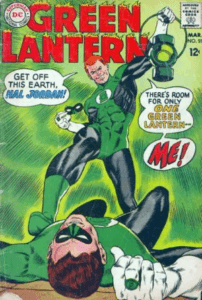
Every rule above bends for one category: books people actually want. A rough copy of a real key sells in any condition, whether that’s a first appearance, a major Silver or Bronze Age issue, or one of the 90s exceptions like Batman Adventures #12, because plenty of collectors would rather own the book at 2.0 than not own it at all. I’ve bought plenty of collections where the damaged half went to recycling and the good half paid for the whole visit.
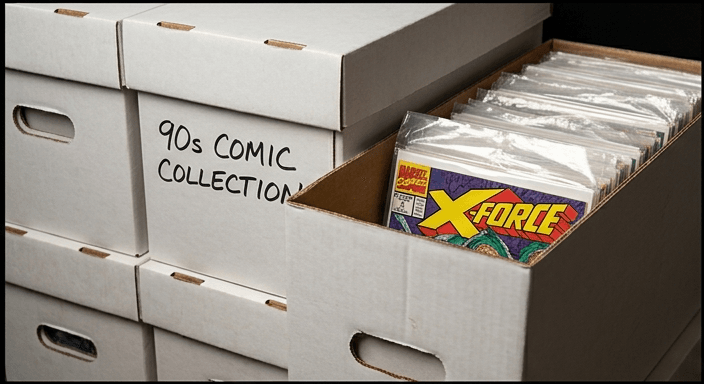
So before anything goes to the curb, run the same five-minute triage that applies to clean collections. How much are my comic books worth? walks through it. Pre-1980 books, first appearances, anything bagged separately: those get checked regardless of condition. A beaten Hulk #181 is still worth the call. So is a water-stained Amazing Spider-Man run from the sixties. The 1992 X-Force overstock under the tide line is not, and I’ll say so.
Before the dumpster: three photos
The boxes, the worst of the damage, and any book that looks old or was kept separate. I’ll tell you straight if it’s a recycling run. If there’s enough left worth buying, I’ll come to you and make an offer on it. Free either way, anywhere in Southern California. Photos are fastest, but a written description works too.
Damage questions, answered straight
Should I just throw moldy comics away?
Ordinary books, yes. Mold spreads, and remediating a dollar comic makes no sense. But photograph anything old or significant first and ask. Separating the moldy books from the clean ones today matters more than any other single thing you can do.
My comics were in a hot garage for 30 years but look fine. Are they?
Open one and look at the page edges against a sheet of white paper. Cream is normal aging; brown is heat, and brittle is heat’s final form. Plenty of garage collections are merely tanned and still perfectly sellable. The point isn’t panic. It’s that the outside of a bagged book tells you nothing.
Can water-damaged comics be dried out and saved?
Dried, yes. Saved, only partly. If books are currently wet, stand them up separated so air moves between them and let them dry slowly indoors. Don’t stack them, and don’t put anything heavy on top to “flatten” them. Drying stops mold from starting, which matters. But the rippling and staining stay; the grade impact was set the moment the water touched the paper. Dry them to stop things getting worse, not in hopes of undoing it.
Is a taped tear better than an open one?
No. Tape is its own defect, it yellows and stains as it ages, and graders treat it harshly. Leave tears alone. The general rule for every damaged book: sell it as it is, and let whoever buys it decide about repairs.
Do you actually buy damaged comics?
I buy damaged keys at prices that reflect the damage, and I’m upfront about which is which. What I won’t do is pay for damaged filler and quietly recoup it elsewhere in the offer. If part of your collection is worthless, you’ll hear the word. I’ll tell you over the phone at (951) 515-9604, for free, if what you’re describing isn’t worth a visit. Most damage conversations end there, and that’s fine.
Sort it out from here
- What actually gets checked when a book is graded shows every defect on this page from the grader’s side of the table.
- You inherited a comic book collection covers where most garage boxes come from, and what to do in what order.
- What buyers actually pay explains how damaged books figure into a whole-collection offer.