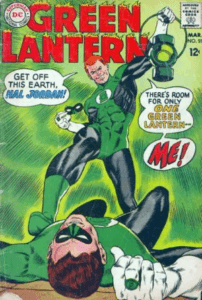
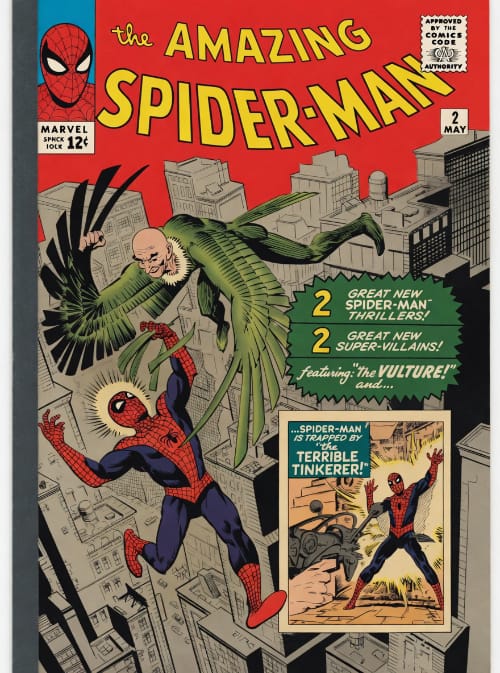
If you’re holding graded comics, meaning CGC or CBCS slabs with the label on top, you own the easiest thing in this hobby to sell. Slabs are the fastest thing I buy. The grading argument already happened. That’s the part that takes time with a raw collection, and both of us can read the result off the label.
This page covers what a buyer actually reads off a slab, why graded books price cleaner than raw ones, and the question I get constantly in the other direction: whether it’s worth grading a book before you sell it. Short version: sometimes, and the math is knowable in advance.
I buy slabs outright, anywhere in Southern California. Text a photo of the label to (951) 515-9604 and I’ll get you a number the same day in almost every case.
What a buyer reads off your slab
Everything I need to price a graded book is on the label, which is why the phone call is short. In order of importance:
- The book itself. Same as raw: a slabbed common is still a common. Grading adds certainty, not demand.
- The grade. A slabbed 9.8 prices against public sales of other 9.8s of the same issue. That public record is the whole advantage: no argument, no estimate, no “well, I’d call it an 8.0.”
- The label color. Blue (Universal) is the standard, unrestored grade. Green (Qualified) means a defect held out of the number and described separately, such as a missing coupon, an unauthenticated signature, or a cut-out Marvel Value Stamp. It prices well below blue at the same number. Purple (Restored) means the book has been worked on, and the market discounts restoration hard. Yellow (CGC’s Signature Series; CBCS calls its version Verified Signature) adds an authenticated signature, which can add value on the right book.
- The notes line. “Marvel Value Stamp missing,” page quality, restoration detail. Small print, big money.
One thing I don’t need: the case polished or the label defended. The slab did its job the day it was sealed.
Why graded books price cleaner than raw ones
When I price a raw book, I’m estimating a grade and pricing my confidence in the estimate. That’s why two honest buyers can land apart on the same raw copy, and why I grade in front of you and explain what I’m seeing. A slab removes that spread. The grade is fixed, and the sales record at that grade is public. The distance between my offer and that record is the same wholesale gap that applies to everything, explained plainly in what buyers actually pay.

That’s worth something to you as a seller: a slab is the one format where you can verify my offer yourself in ten minutes. Look up sold prices for your exact book at your exact grade, and you’ll know whether the number in front of you is fair. I’d rather you did.
Two market notes, stated as they are. CGC and CBCS both grade to the same ten-point scale and both are entirely legitimate, but CGC copies of the same book at the same grade still tend to bring a little more at resale, and offers reflect that. Also, a grade is locked while the market isn’t. A slab graded years ago is priced on today’s sales, not the sticker era it came from.
How a slab sale actually goes
Worth spelling out, because slab owners usually price-shop me against auction houses and eBay. The honest difference isn’t the number. It’s the shape of the transaction. An auction can absolutely beat a dealer’s price on the right book. It also means shipping your comics away, waiting for the auction date, waiting again for settlement, and paying the seller’s fees out of the hammer price. eBay means photographing, listing, answering questions, shipping sold books one at a time, and eating returns.
Selling to me is one conversation. You send label photos, I quote against current sold prices, and if we agree I come to you and pay cash on the spot. The books never ship anywhere and nothing waits on a settlement window. For a couple of five-figure books, auction is often the right call and I’ll say so. For a shelf of ordinary slabs, the gap between my number and a net auction result is usually smaller than people expect, and the difference in hassle is not.
Should you grade a raw book before selling it?
Here’s the honest math. Grading costs a fee per book plus shipping and insurance both ways, and takes time. That spend only pays when the graded price at the grade you’ll actually receive exceeds the raw price by more than the all-in cost, with a margin for the risk that the grade comes back lower than you hoped. It often does. Owners over-grade their own books by a grade or two; graders don’t.
| The book | Grade first? | Why |
|---|---|---|
| A key issue in genuinely sharp shape | Often yes | The value curve at the top is steep enough to cover the cost. Books like Hulk #181, New Mutants #98 or Batman Adventures #12 in high grade are the textbook cases. |
| A key issue in average shape | Usually no | Mid-grade keys sell fine raw. The fee comes out of your pocket and mostly buys certainty the market wasn’t demanding. |
| Anything that isn’t a key | No | The fee routinely exceeds the book. This is the most common expensive mistake sellers make. |
If you have a book in the first row and don’t want to carry the bet yourself: I hold a CGC dealer account and submit books on customers’ behalf. When a strong raw book deserves a slab, I’ll submit it at my cost with the payout agreed per grade before it ships. It comes back a 9.6, you get the 9.6 number we agreed. It comes back lower, that’s my problem, not yours.
Want the number before you commit?
Title, grade, label color: that’s usually a same-day number, and you can check it against public sales yourself before you say yes. No photo handy? Send the titles and grades through the form and that works too.
Questions slab owners ask me
Do you pay less for CBCS than CGC?
A little, on most books, because that’s how they resell, not because CBCS grades worse. Both are professional operations. Slabs from smaller grading companies I price case by case, usually closer to the raw value of the book, because the market doesn’t extend them the same trust.
My slab has an old label. Does that matter?
The grade still stands and I buy old-label slabs as they are. Collectors sometimes pay a novelty premium for early labels on the right book. Some buyers discount very old grades slightly on the theory that standards have shifted. In practice, the book and the number on it matter far more than the label vintage.
Should I crack a low-graded book out and sell it raw?
Almost never. You’d be destroying paid-for certainty to create doubt, and buyers wonder why. If the grade disappoints you, sell it as what it is. The market for honest mid-grade slabs is real.
I paid more for the grading than you’re offering. What happened?
The hardest conversation in this business, and it deserves a straight answer: the grading fee bought certainty about the book, not value in it. A common comic in a 9.4 slab is still a common comic. The case doesn’t change what collectors will pay for what’s inside it. The market prices the book at the grade; it doesn’t reimburse the cost of finding the grade out. That’s exactly why the table above tells most people not to grade before selling, and it’s the mistake I’d rather this page saved you from than profited from.
Do you buy whole slab collections?
Yes, and they’re the quickest deals I do. A list of titles and grades, or photos of the shelf, is enough for a full offer. One book or two hundred. Send the list to (951) 515-9604 and I’ll price it off the titles and grades.
Before you sell anything
- What actually gets checked when a book is graded explains the ten-point scale, the label colors, and what graders see that owners don’t.
- What buyers actually pay shows where the gap between a sold listing and an offer goes, slabbed or raw.
- What happens on a free appraisal covers the raw part of your collection.